
Optimal Timing for Water Treatments
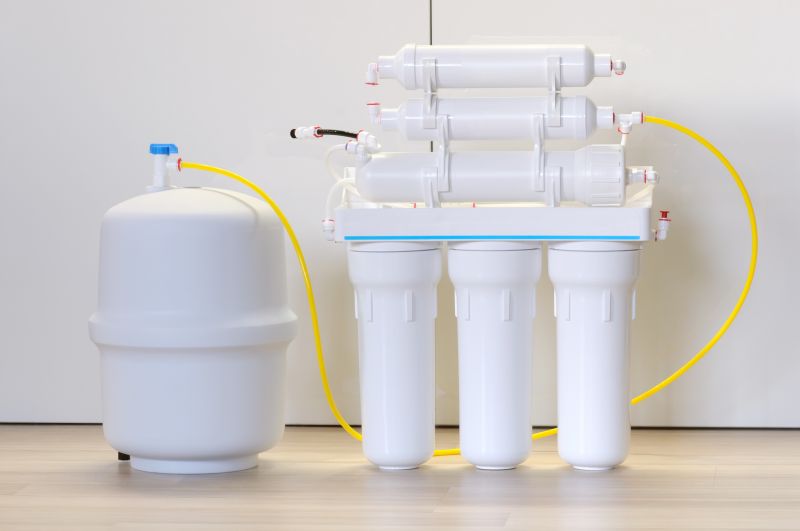
Optimal for preparing water systems for the warmer months and ensuring water quality during peak usage.
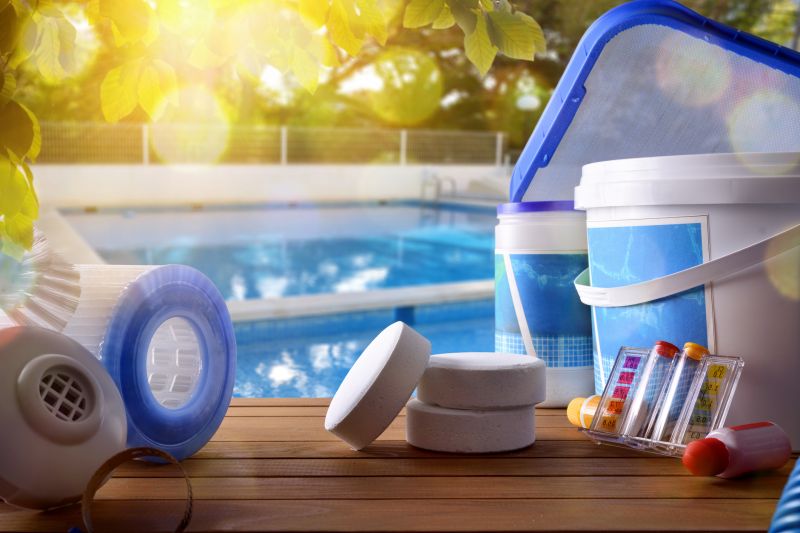
Ideal for maintaining water clarity and preventing algae growth during high temperatures.
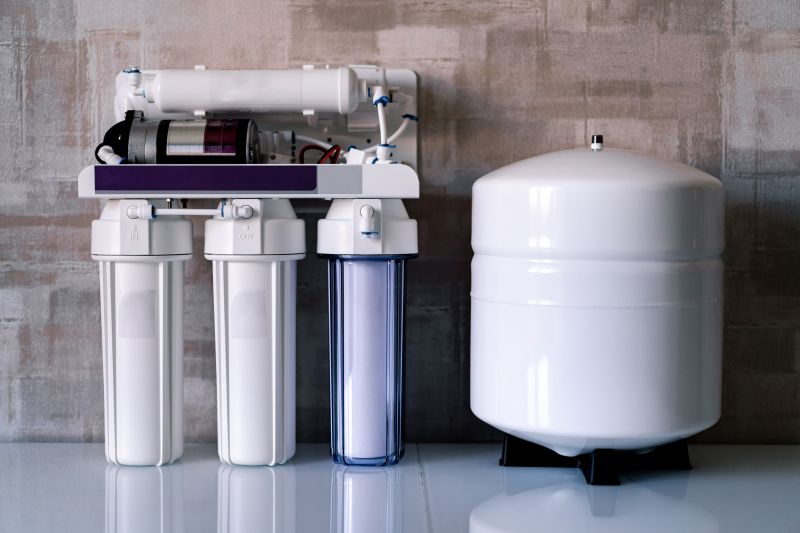
Useful for addressing residual contaminants and preparing systems for lower usage periods.
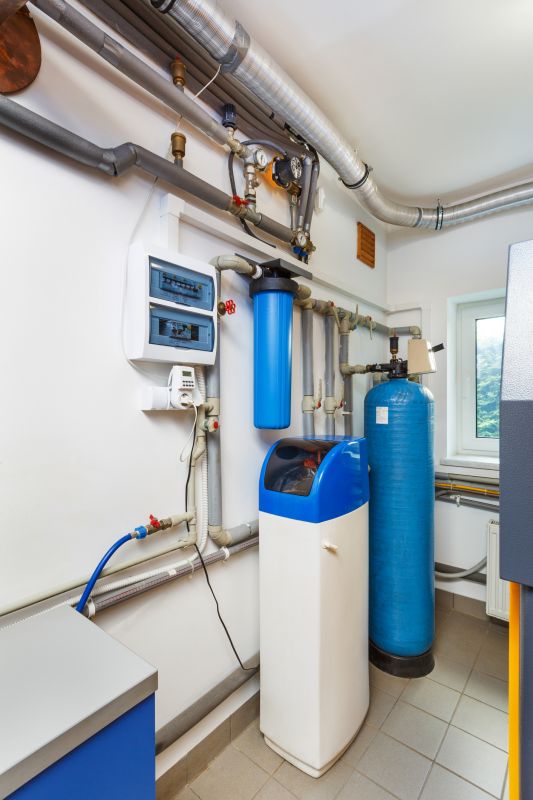
Ways to make Water Treatments work in tight or awkward layouts.
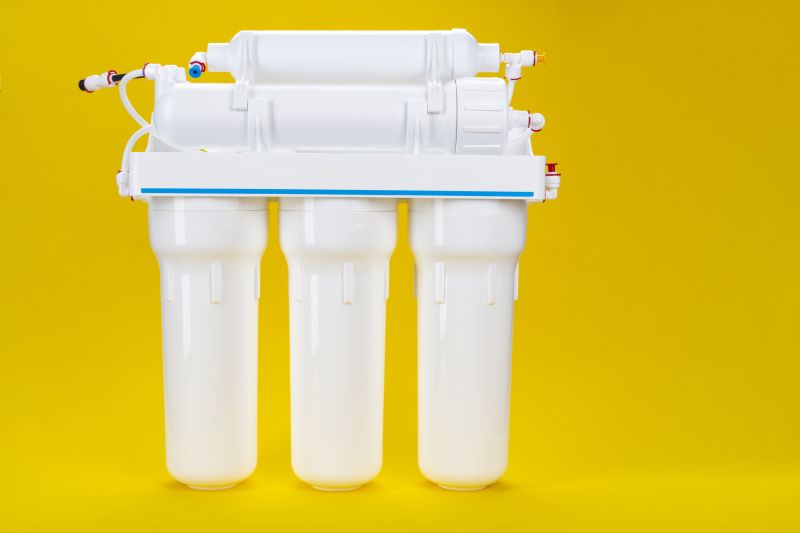
Popular materials for Water Treatments and why they hold up over time.

Simple add-ons that improve Water Treatments without blowing the budget.
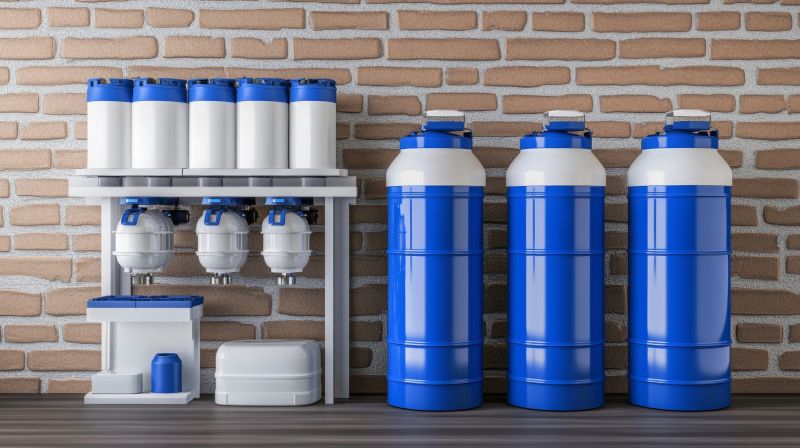
High-end options that actually feel worth it for Water Treatments.
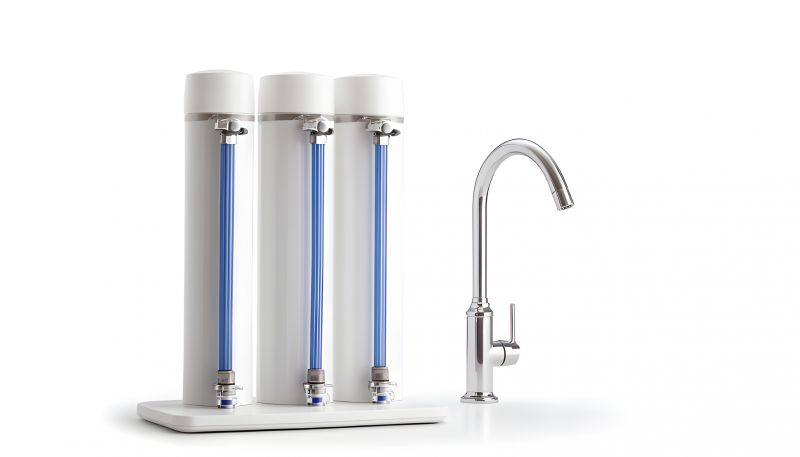
Finishes and colors that play nicely with Water Treatments.
Water treatments are essential processes that improve water quality by removing contaminants, adjusting mineral levels, and ensuring safety for consumption and use. Proper timing of these treatments can maximize their effectiveness, prevent scale buildup, and extend the lifespan of plumbing systems. Regular treatments are recommended based on water usage patterns and seasonal changes to maintain optimal water conditions.
Statistics indicate that untreated water can contain harmful microorganisms, sediments, and chemical residues that pose health risks and damage appliances. Implementing water treatments at appropriate intervals can reduce these risks, improve water taste and clarity, and comply with health standards. The frequency of treatments often depends on local water source quality and household or commercial water demands.
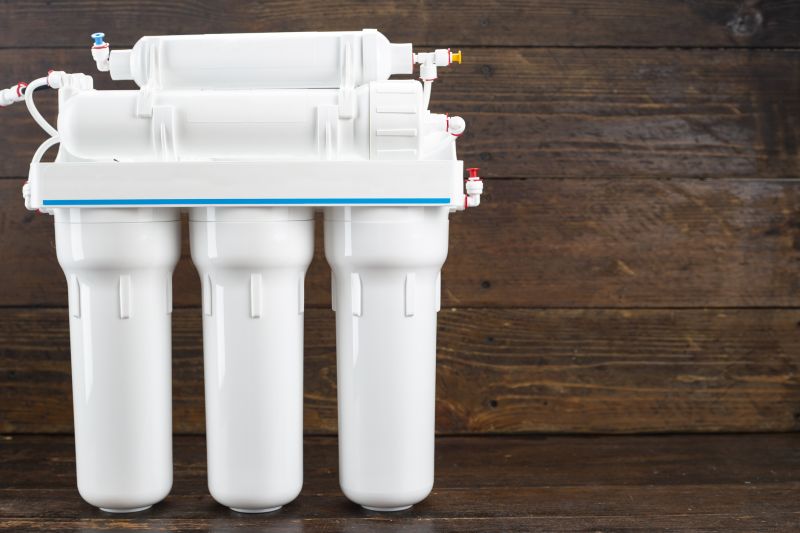
Use of filtration to remove sediments, chlorine, and other impurities for cleaner water.
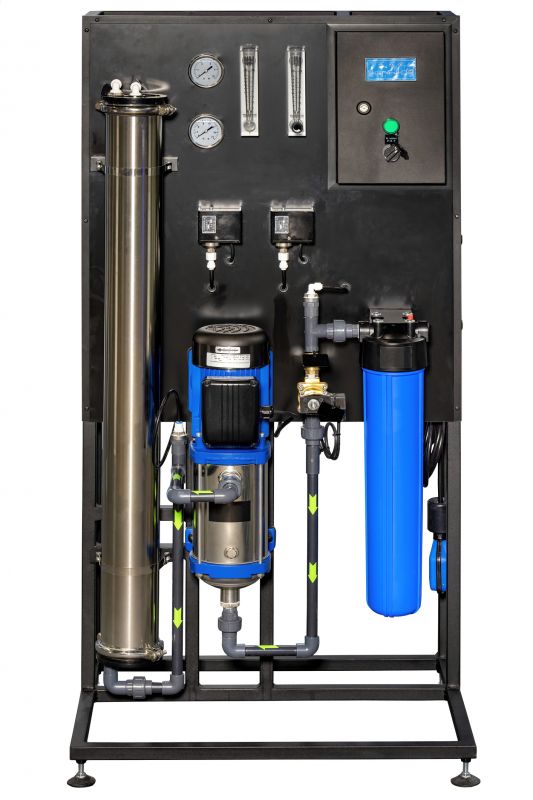
Application of disinfectants and pH adjusters to ensure water safety.
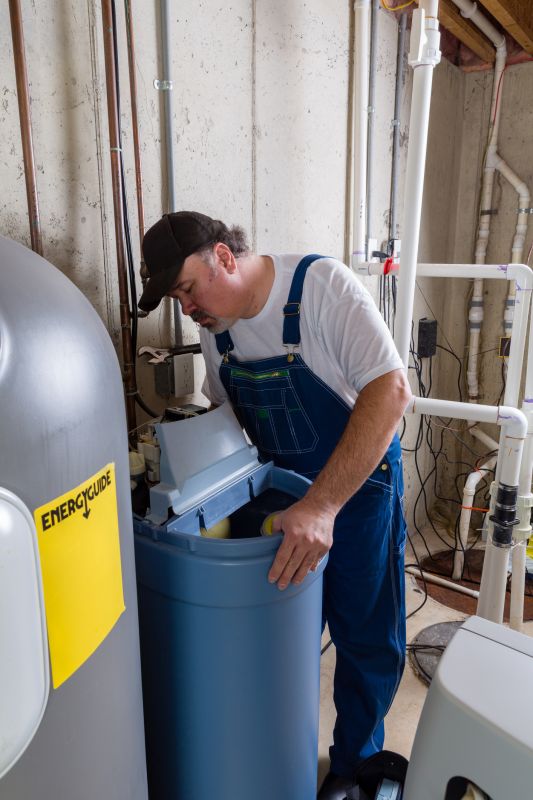
Removing mineral buildup to prevent appliance damage and improve efficiency.
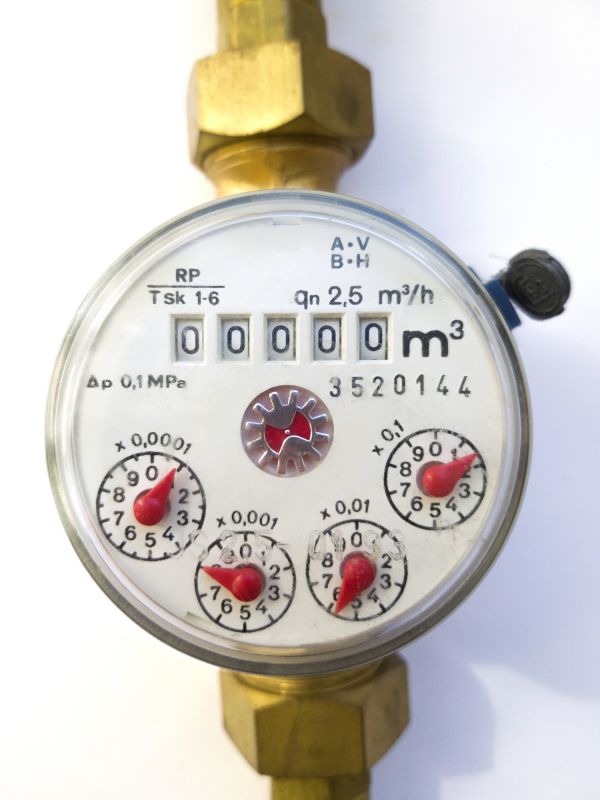
Little measurements that prevent headaches on Water Treatments day.

A 60-second routine that keeps Water Treatments looking new.
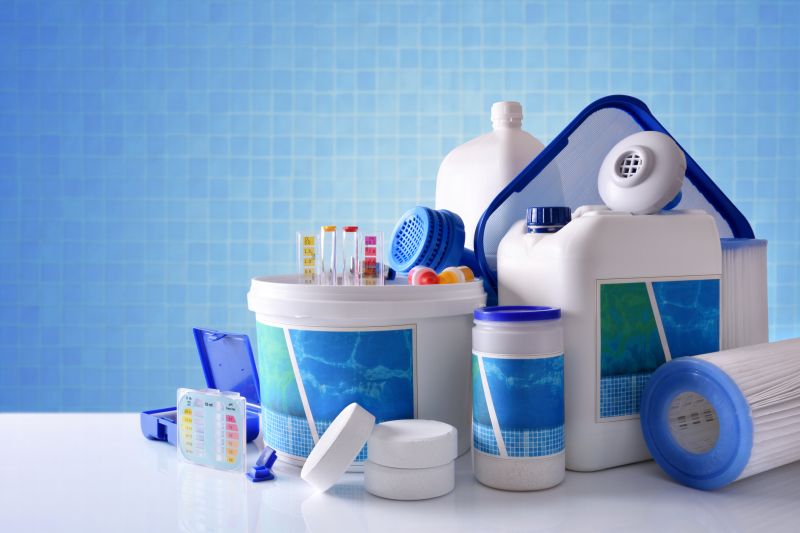
A frequent mistake in Water Treatments and how to dodge it.
| Treatment Type | Optimal Timing |
|---|---|
| Pre-Summer Treatment | Spring before peak usage |
| Mid-Summer Treatment | Mid-season for ongoing quality |
| Fall Maintenance | Late fall for system preparation |
| Winter Preparation | Before periods of low usage |
| Annual Deep Treatment | Once per year for comprehensive care |
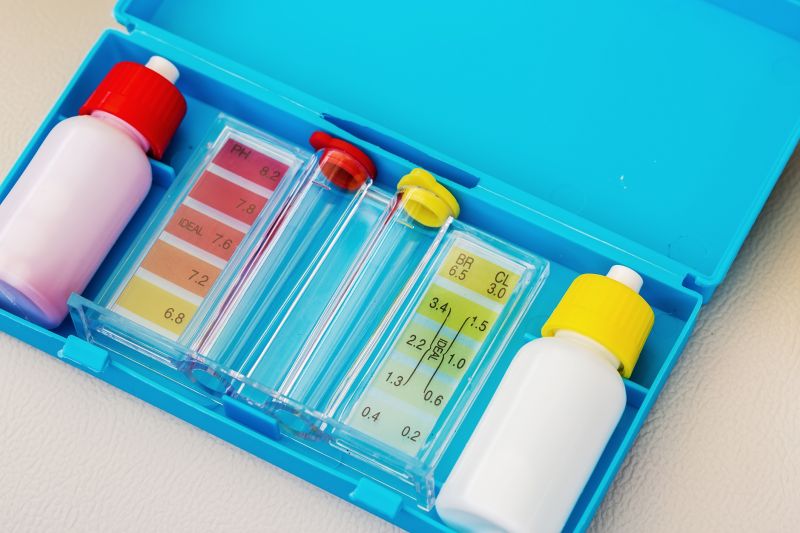
Tools for assessing water quality before treatment.
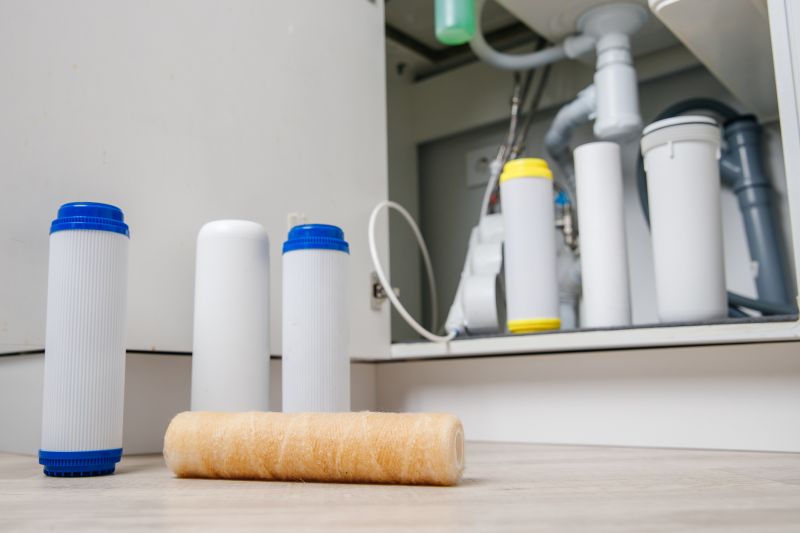
Devices used for filtration, disinfection, and mineral balancing.
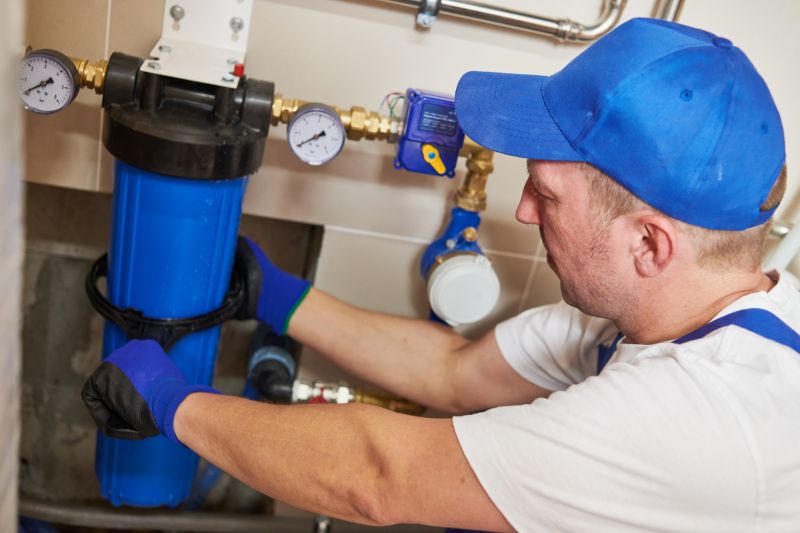
Instruments to track water quality over time.
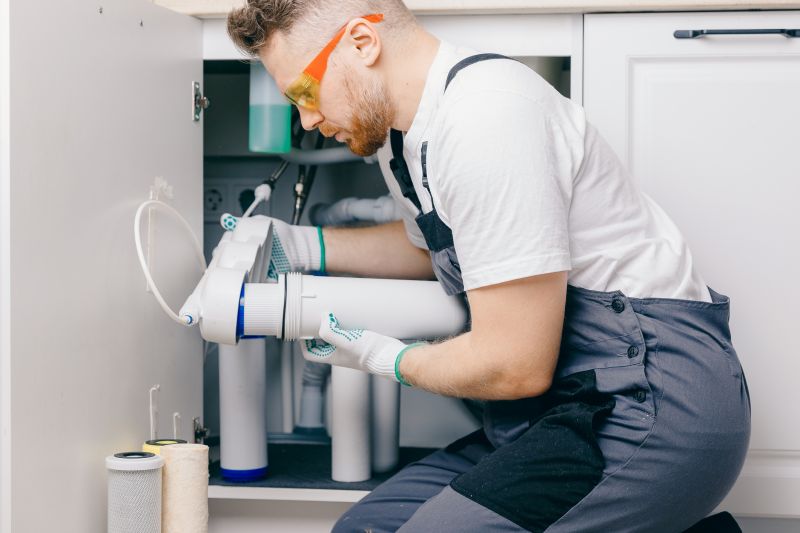
Visuals of clean, clear water after treatment.
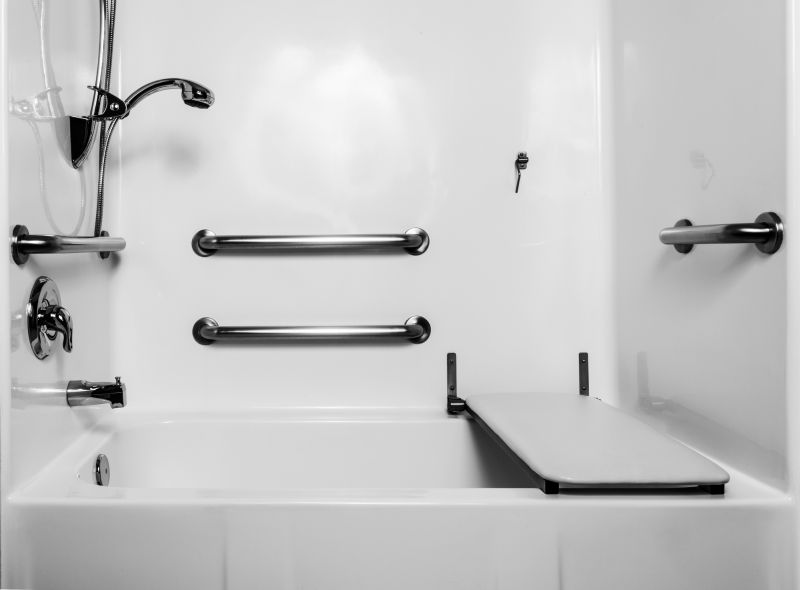
Small tweaks to make Water Treatments safer and easier to use.
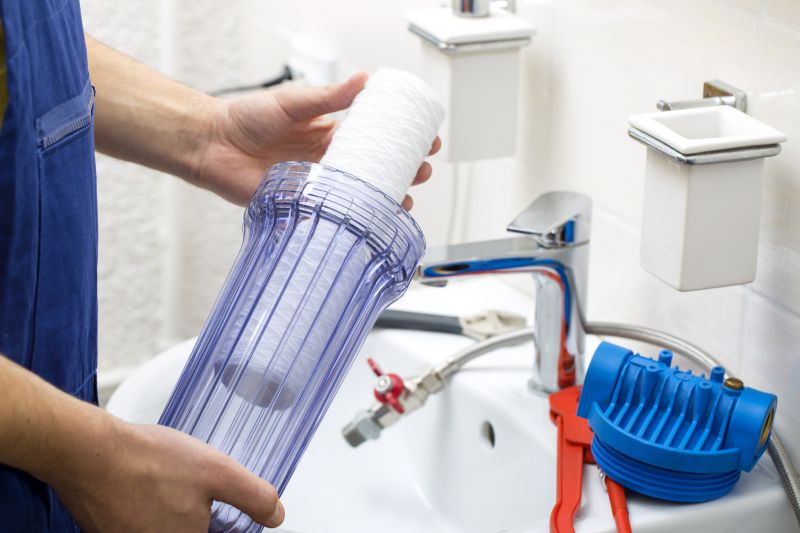
Lower-waste or water-saving choices for Water Treatments.
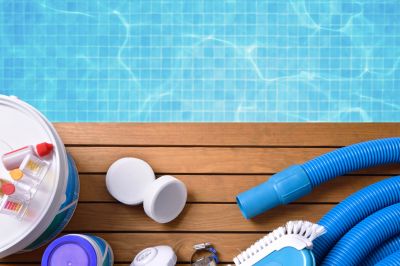
The short, realistic tool list for quality Water Treatments.
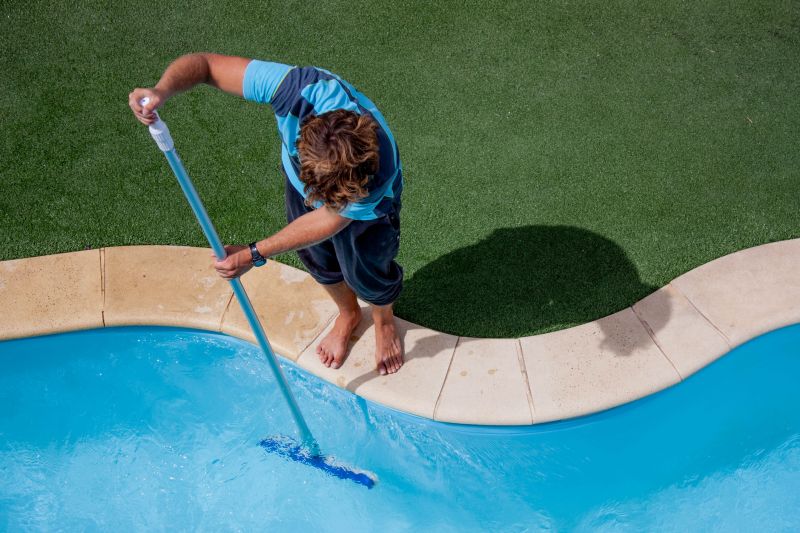
Rough timing from prep to clean-up for Water Treatments.
Proper scheduling of water treatments ensures water remains safe, clean, and efficient for daily use. Seasonal adjustments help address changing water conditions and usage patterns, reducing the risk of buildup and contamination. Regular assessments and timely interventions are key to maintaining water system longevity and performance.
Enhances water quality, protects appliances, and supports health.
Consider seasonal changes, water source quality, and usage demands.
Unusual taste, odor, discoloration, or system inefficiencies.
Typically annually or as recommended by water testing results.
Timely water treatments are crucial for maintaining water system efficiency and safety. Regular testing and professional evaluations help identify the best intervals for intervention, ensuring water quality aligns with health and appliance standards. Properly scheduled treatments can prevent costly repairs and health issues caused by contaminated or mineral-laden water.
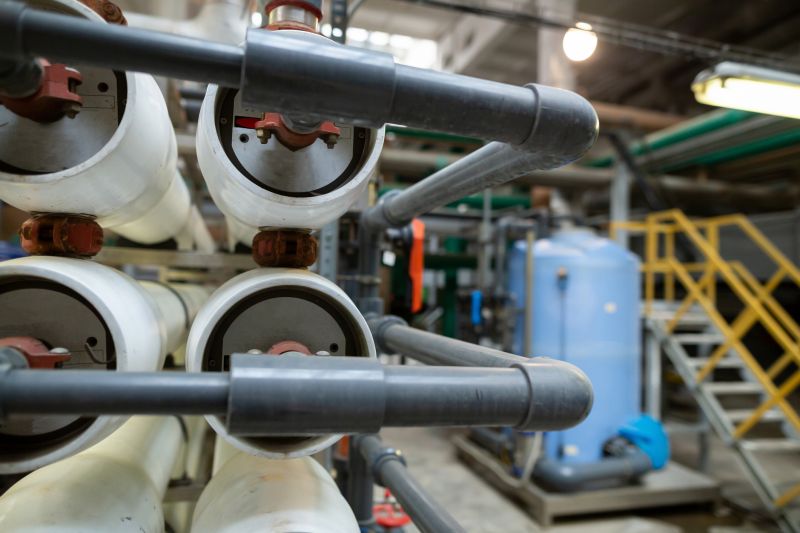
Modern devices for effective water purification.
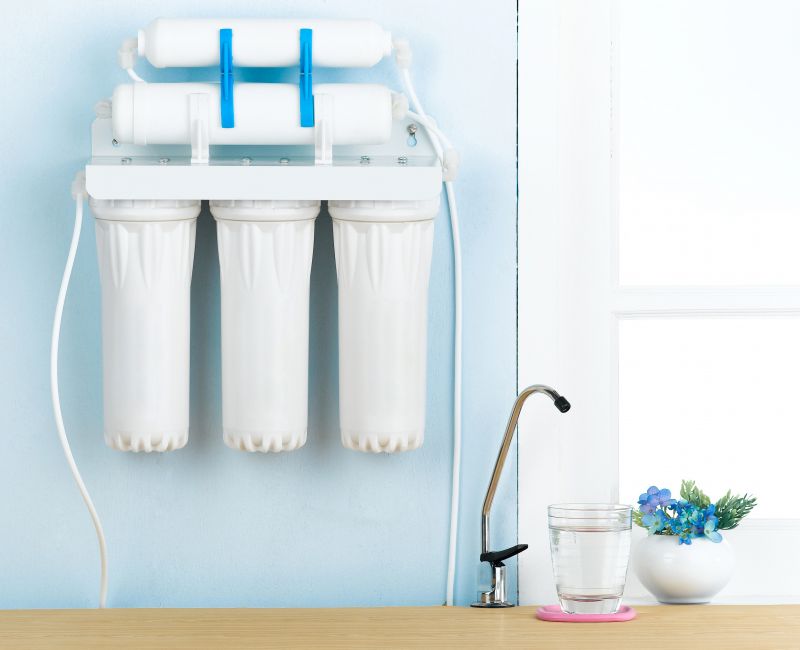
Clear, clean water ready for consumption.
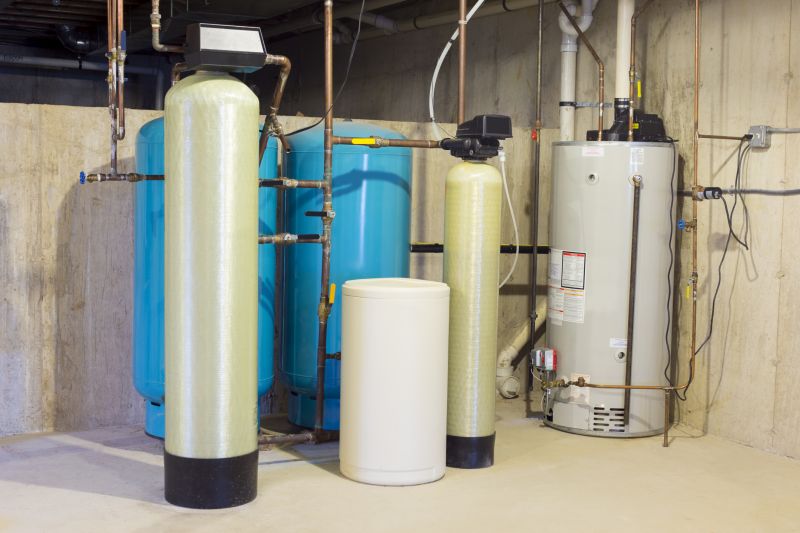
Step-by-step procedures for optimal results.
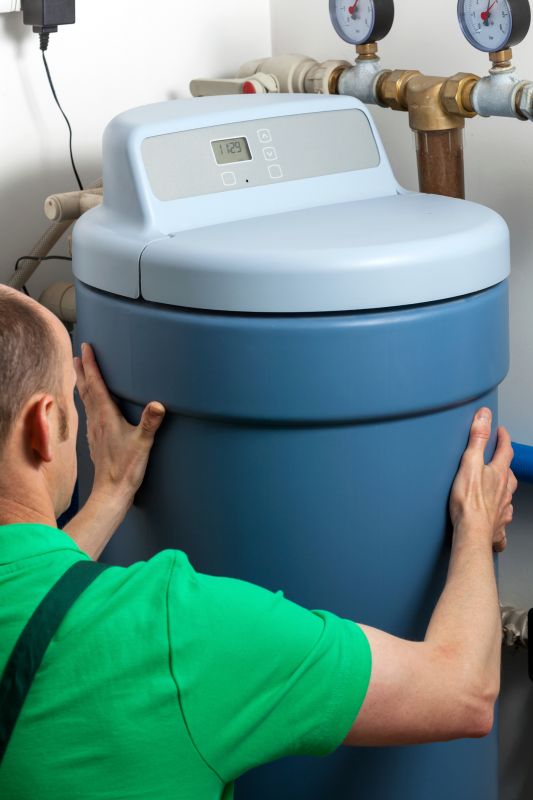
Quick checks and paperwork to keep after Water Treatments.
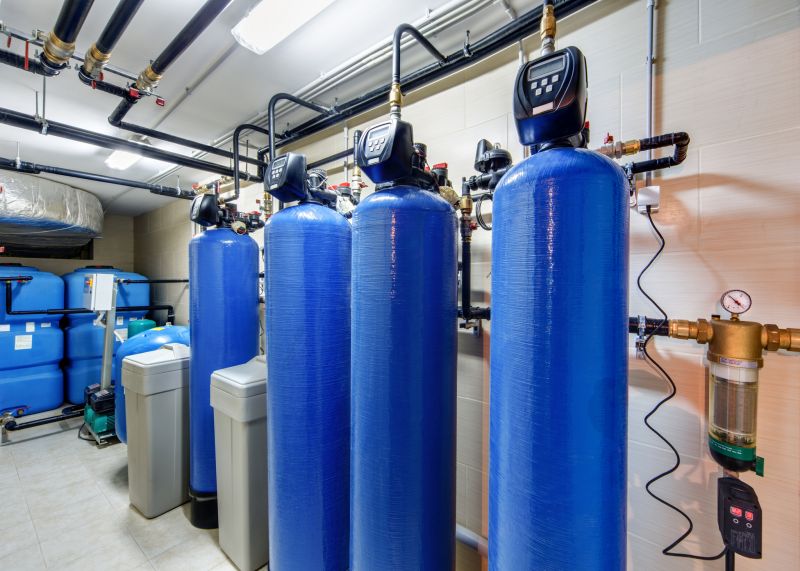
Examples that show the impact a good Water Treatments can make.
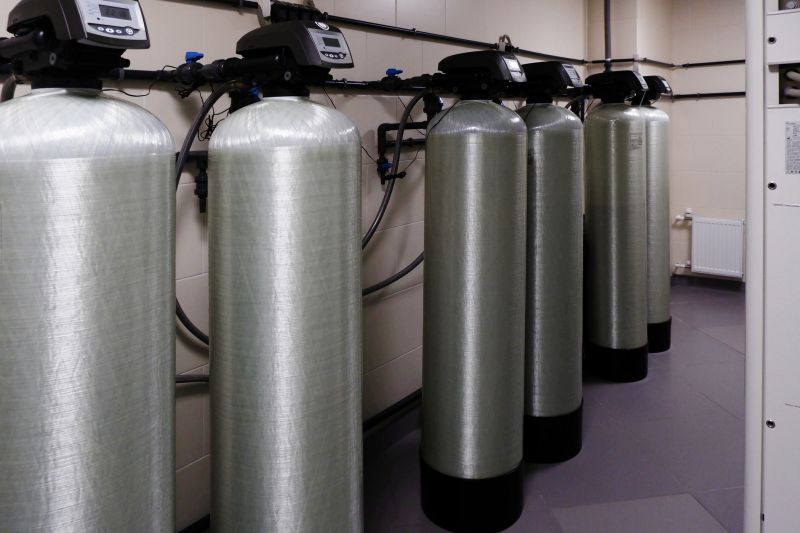
Ways to make Water Treatments work in tight or awkward layouts.
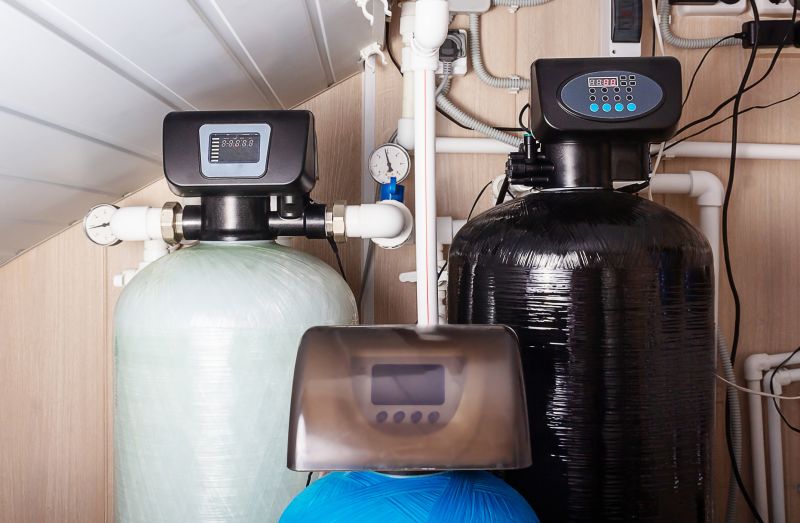
Ways to make Water Treatments work in tight or awkward layouts.
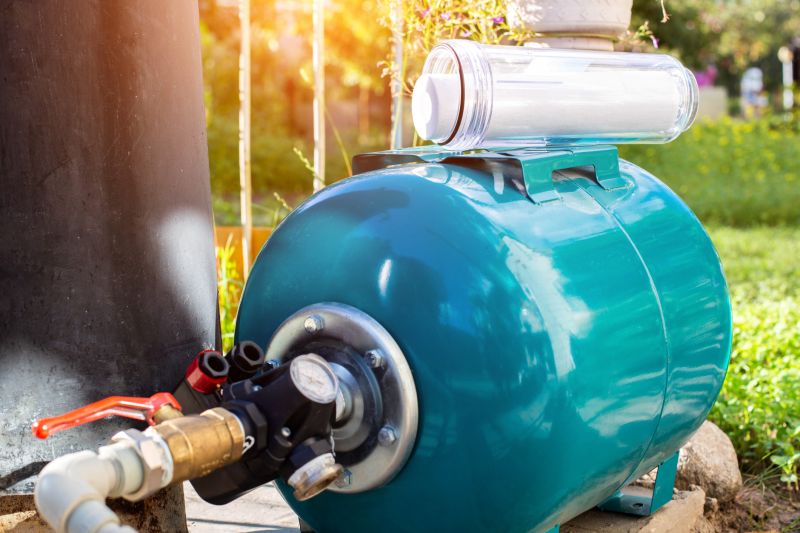
Ways to make Water Treatments work in tight or awkward layouts.
Interested in scheduling water treatments for improved water quality? Filling out the contact form can provide more information and help determine the best treatment schedule tailored to specific water needs and seasonal considerations.
